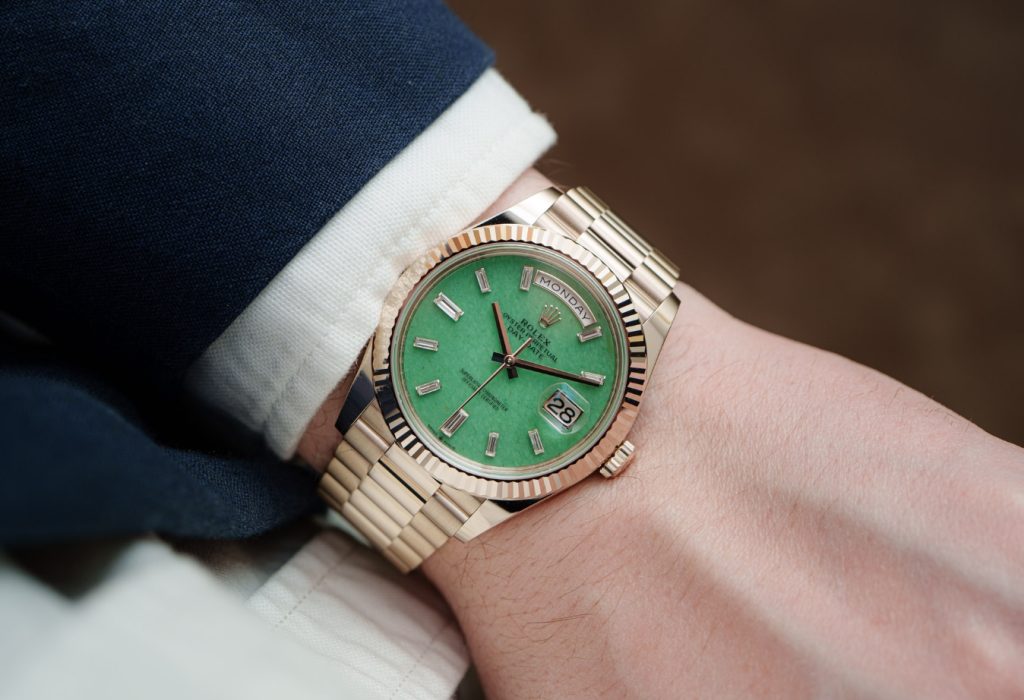
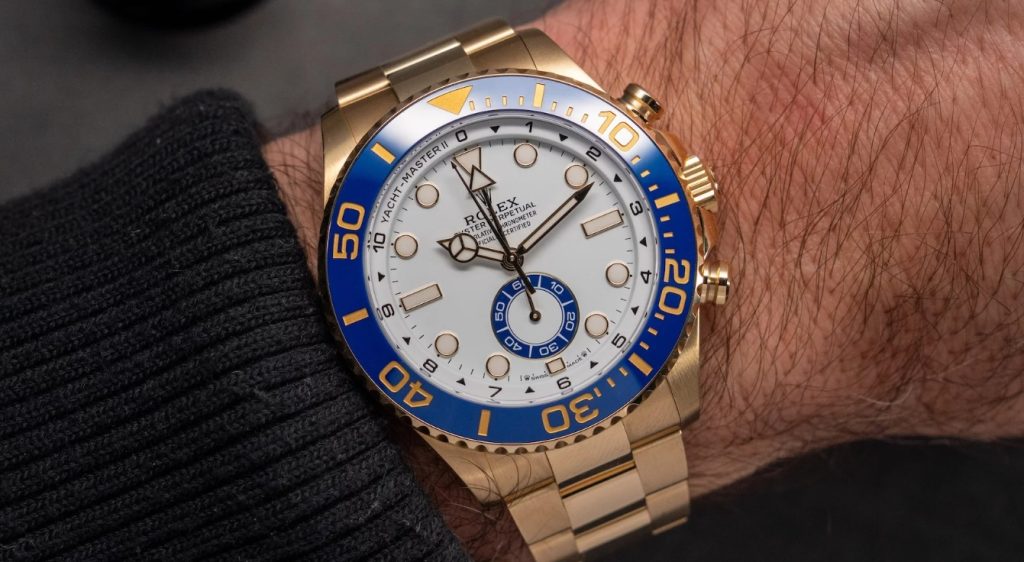
A replica Rolex should normally be treated as a consumption purchase, not an investment. The scarcity, provenance and brand-backed service history that can influence prices for some genuine watches do not automatically exist for an imitation, even when a seller calls it rare or limited.
What an investment claim would need
An asset is not an investment simply because it has a price. A credible case would require a transparent market, reliable authentication, repeatable sales evidence, legal transferability, predictable transaction costs and enough demand to sell within a reasonable period. Replica watches generally lack several of those conditions.
There is no central reference database for informal grades such as AAA or 1:1. Factory nicknames can change, batches can be difficult to verify and replacement parts may not be available. That makes long-term condition and identity harder to establish.
Why genuine Rolex auction results do not transfer
A record price for a genuine Daytona or a strong result for a documented vintage GMT reflects the authentic object, its reference, condition, rarity and provenance. A visually similar replica does not share that identity. The same is true of manufacturer warranty, official servicing and participation in the Rolex Certified Pre-Owned programme.
Even genuine watches are not guaranteed to appreciate. Dealer spreads, auction fees, servicing, insurance, fashion and wider market conditions can turn a headline gain into a much smaller net result.
The realistic resale position
A used replica may have a limited buyer pool and can face restrictions on mainstream marketplaces. Condition is hard to communicate when parts and movements are not standardised. The original seller’s marketing grade may have little meaning to a later buyer.
For planning purposes, assume resale could be difficult or impossible. If the purchase is still acceptable with a future value of zero, the decision is based on present enjoyment rather than an investment story.
Calculate the full cost of ownership
A simple way to assess value is:
purchase price + delivery and payment costs + servicing and repairs + replacement parts − any amount actually recovered at resale.
This is more useful than comparing the replica’s price with the retail price of the genuine watch. A low entry cost can be offset by an unserviceable movement, a failed clasp or a return that must be shipped internationally.
Better questions than “will it go up?”
- Do I understand exactly what movement and materials I am buying?
- Can a local watchmaker service it, and are parts available?
- Would I still want it if it had no resale value?
- Does the seller provide clear, written return and warranty terms?
- Am I comfortable with the applicable legal, import and marketplace restrictions?
Alternatives for different goals
Someone seeking retained value may prefer a documented pre-owned genuine watch within budget, while accepting that prices can still fall. Someone seeking the design may prefer a legitimate homage or microbrand with disclosed specifications and conventional support. Someone seeking inexpensive daily wear may be better served by a common, repairable movement rather than a complicated decorative clone.
Our replica Rolex buying checklist covers the non-financial trade-offs. Neither guide is a promise of future value; both are intended to replace vague investment language with evidence a buyer can actually examine.